 中文
中文 Sample Making at a Sweater Factory: From Sketch to First Sample
Many buyers imagine sample making is simply "knit one from the picture". In reality, sample making at a sweater factory is a tightly chained production line. Understanding each stage helps you prepare materials and control timelines far better.
Stage 1: design review. The technician studies your sketch, reference photos or tech pack, judges the feasibility of stitches and patterns, and flags the cost drivers early.
Stage 2: yarn and gauge selection. The same sweater knitted on 7G chunky versus 12G fine gauge delivers completely different hand-feel; the technician recommends a yarn composition (cotton, wool, cashmere, acrylic or blends) and machine gauge to match your target texture and price point.
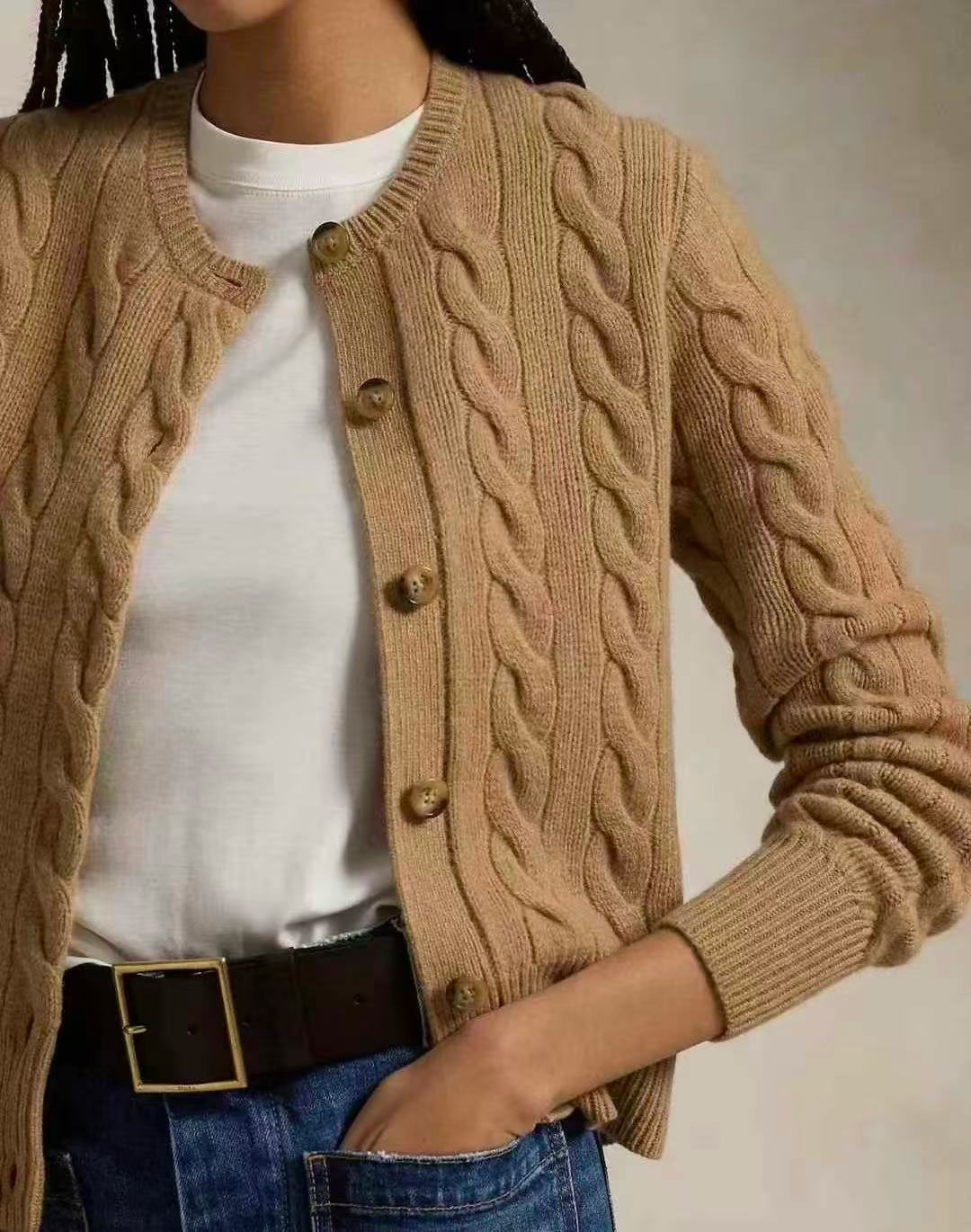
Stage 3: programming. Computerized flat machines need the pattern converted into knitting programs. Cables, twists and jacquards are digitized here — and complex patterning is where most programming hours go.
Stage 4: panel knitting. Front, back and sleeve panels are knitted separately, with allowances left for shrinkage and blocking.
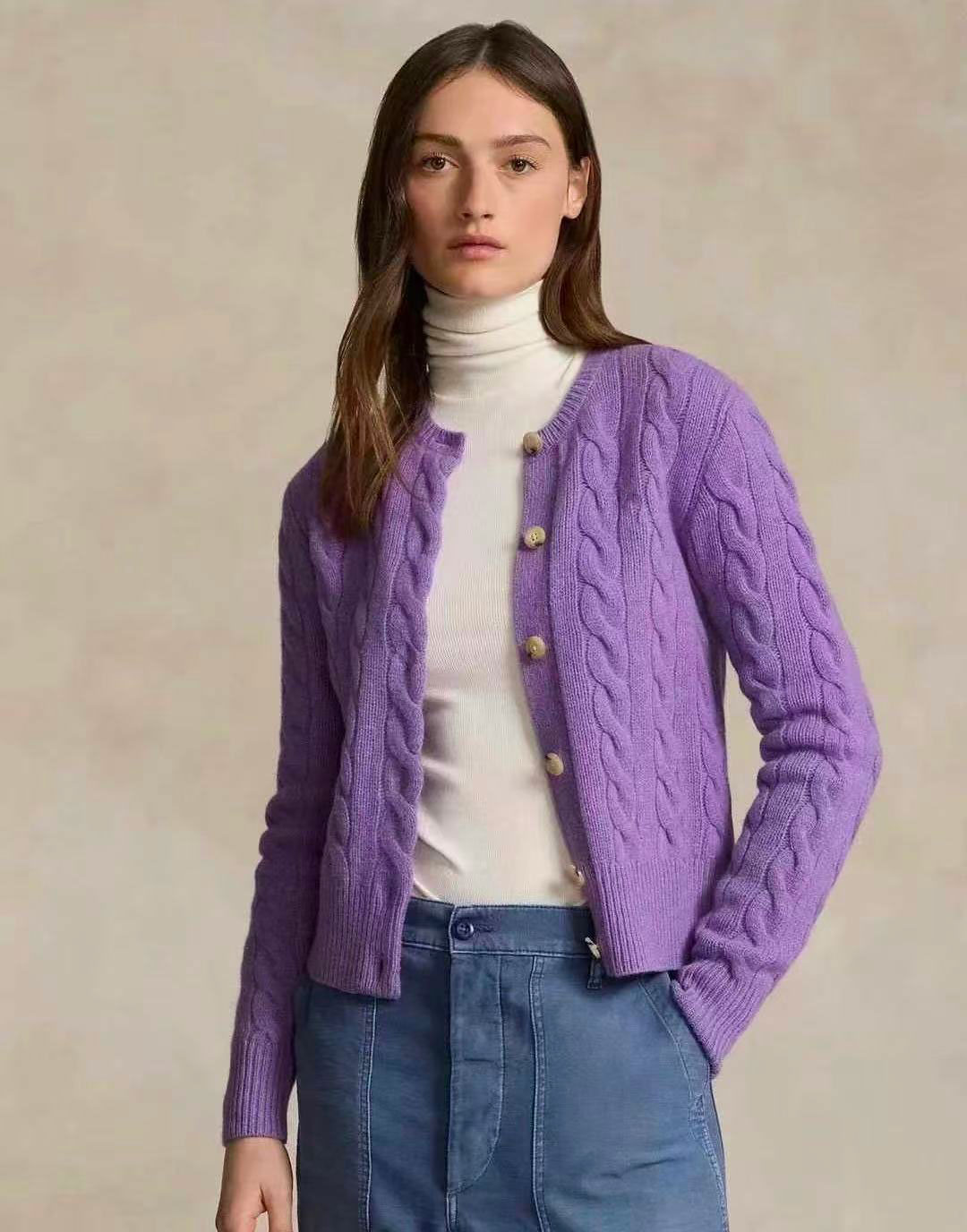
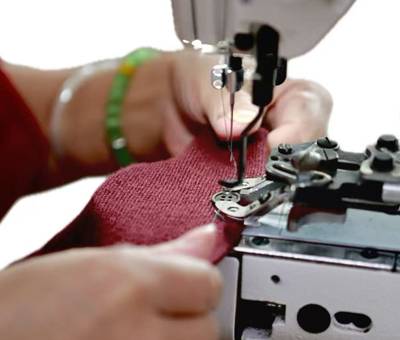
Stage 5: linking and sewing. Panels are joined on linking machines; the quality of neckline and placket seams defines the garment grade.
Stage 6: finishing. Washing, blocking, mending and pressing lock in the final hand-feel and dimensional stability.
Stage 7: QC and shipping. Every sample is measured, needle-detected and checked against the spec before packing.
Only a factory that keeps all seven stages in-house can compress first samples into 5 days — the most visible indicator of a professional sample making sweater factory. Jiaxiefeng runs the entire pipeline in its own workshops. Send us your design for a free craft evaluation.